Traction is one of those things people take for granted until it is missing. You feel it in the steering wheel on a rainy morning, or in the split second a shoe loses purchase on a damp slope. For private lanes and driveways, the surface you choose does more than change how it looks. It changes how soon a car stops, whether a stroller jitters or glides, and how a delivery truck handles a tight switchback. Chip seal is often discussed in terms of cost and looks, but its real power hides in the texture. The embedded stone creates a surface that stays grippy in the dry and sheds water in the wet, which is exactly what a home or small property needs to keep people and vehicles safe.
What chip seal is, and why it grips
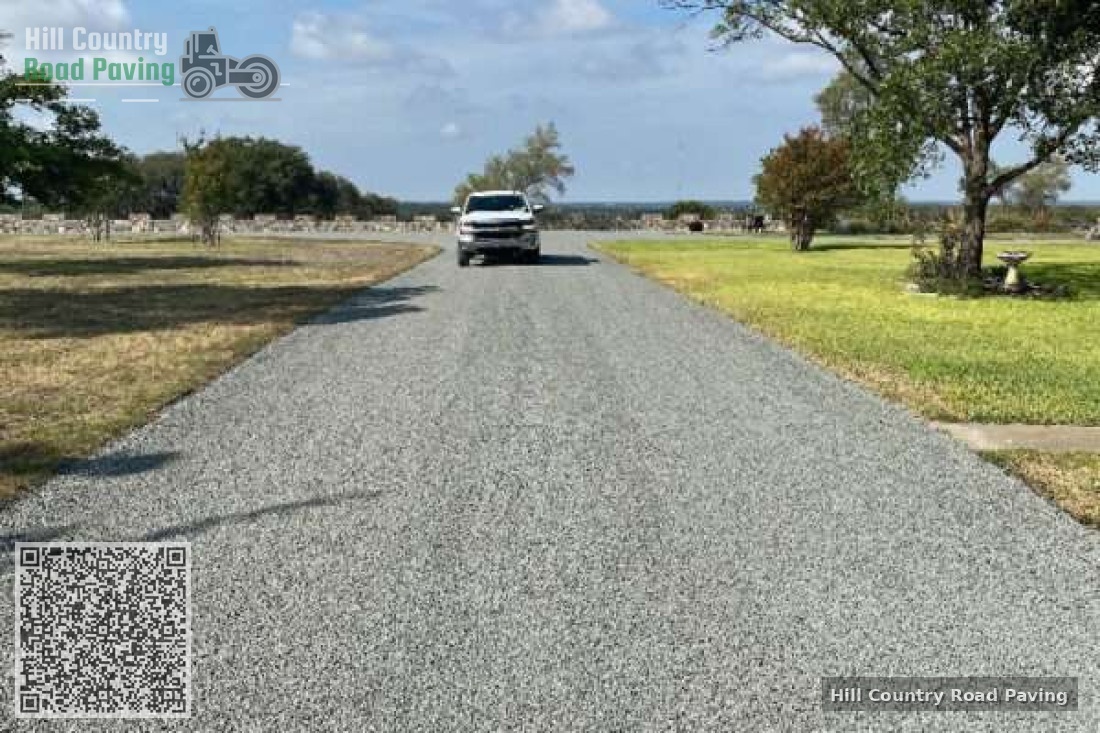
Chip seal combines a thin layer of asphalt binder with a single, uniform layer of crushed stone. The binder, usually an asphalt emulsion or a polymer modified asphalt, is sprayed onto the prepared surface. Clean, angular aggregate is spread into the fresh binder and then rolled to lock the stone in place. After sweeping off the loose pieces, what remains is a tight mosaic of rock bound by asphalt.
That mosaic is not smooth like new hot mix asphalt. It has texture, and that texture works at two levels. Microtexture is the microscopic roughness of each stone face. Macrotexture is the visible relief between stones, the little valleys where water and fine grit can sit without creating a film under your tires. On polished asphalt, a thin film of water can reduce friction dramatically. On chip seal, the peaks break that film and the valleys give water a place to go, so the contact patches stay dry and rough. That is the core safety advantage.
On a project in the foothills west of town, we rebuilt a 900 foot lane with a gradual S curve shaded by oaks. Before, it was broken asphalt that turned slick every time it rained. After base repairs and a single chip with 3/8 inch stone, the owner called to say her sedan no longer slid toward the ditch when she braked at the mailbox. Nothing else changed. The texture did the work.
Texture, stopping, and steering in the real world
Drivers and pedestrians don't think in lab numbers, they feel the difference. Still, a few anchors help frame the gains. On wet pavements, friction can drop by a third or more compared to dry. Chip seal cannot cancel physics, but it fights the worst of it. The surface interrupts hydroplaning at neighborhood speeds and improves the tire’s bite where it matters, at the upper layer of stone.
On a 10 to 12 percent grade, common for long rural driveways, the controlling factor is traction under braking and on start-up. A chip seal cost smooth asphalt surface wears quickly on the wheel paths and polishes on the curves. After a few seasons, the wet grip fades just as the base sees the most stress. Chip seal starts with higher macrotexture and, if the right aggregate is chosen, holds onto microtexture much longer, so grades remain drivable when it rains. I have watched half-ton pickups back trailers down a chip sealed slope with steady control where they used to creep and feather the brakes.
Pedestrians and cyclists benefit differently. Shoes pick up fine dust and water. A chip sealed surface dries faster along the high spots and offers multiple bite points for softer soles. Casual cyclists feel more vibration on chip seal than on smooth asphalt, but the tires grab during low speed turns on pea gravel or wet leaves. I caution road cyclists with skinny tires that newly placed chip can feel chattery for a few weeks until the loose rock is swept, but after that, it is predictable.
Where chip seal sits among other options
For driveway paving and private lanes, owners usually compare four surfaces: gravel, hot mix asphalt, a fog or seal coat on existing asphalt, and chip seal.
Gravel is simple and cheap, but it moves. It corrugates under braking, dusts in summer, and turns to soup during spring thaw without a deep, well-drained base. You can dress it with fines or add stabilizer, but you still need to regrade and add rock regularly.
Hot mix asphalt gives a smooth, quiet ride at first and can be engineered to handle heavy traffic. It excels anywhere you need structural thickness, like a parking court over questionable subgrade or a lane that carries delivery trucks daily. Its weakness is that the surface polishes with use and rain, which erodes wet traction and pushes water to the edges. Add snow and ice, and the smoothness requires more salt or sand to stay safe.
A seal coat rejuvenates and protects aged asphalt. It blocks UV, slows oxidation, and improves appearance. It does not restore structure or add a textured wearing course. If your primary need is grip on grades and curves, a simple seal coat is not the tool.
Chip seal sits in between. It does not add structural thickness like new asphalt, but it does armor the surface with a coarse, skid resistant layer. You get water shedding and grip without the cost and cure times of a full overlay. As a bonus, chip seal lets you tune the feel by choosing stone size and binder type.
The role of stone size, shape, and quality
Most driveway chip seal jobs use 3/8 inch or 1/4 inch aggregate. Larger stone means bolder texture and higher water drainage in heavy rain, but it is rougher on bare feet and rattlier for bicycles. Smaller stone is friendlier underfoot and quieter under tires, but it fills faster with fines and offers slightly less macrotexture when soaked.
The faces of the stone matter even more. Crushed, fractured aggregate grips better than rounded gravel because each stone has edges that interlock and present microtexture to the tire. You also want rock with good resistance to polishing. Granites, basalts, and some high quality limestones hold their bite longer than soft, silty aggregates that turn slick with wear.
In practice, I look for clean, single sized chips with minimal dust, two or more fractured faces, and a gradation that stays tight around the chosen nominal size. Dusty chips act like ball bearings during construction and keep the binder from bonding properly. Clean rock embeds and locks the way it should.
Binder choice and application rates that keep stones put
The asphalt binder needs to be fluid enough to wet the surface during application and viscous enough to hold chips upright when rolling starts. On private work, we often use a high float or polymer modified emulsion in warm weather. The polymer increases elasticity and helps the binder hold stone edges through temperature swings and tire scuffing on tight turns.
Rates depend on the surface, the chip size, and the weather. As a rough band, residual asphalt after water evaporates typically lands around 0.30 to 0.40 gallons per square yard for 1/4 inch chips, and a touch higher for 3/8 inch. Aggregate spread is usually in the range of 12 to 20 pounds per square yard. The goal is 50 to 70 percent chip embedment after rolling, not a stone buried in tar and not a loose carpet of rock. Too little binder and chips fly. Too much and you get bleeding in summer heat, which kills traction.
Application temperatures and timing matter. Emulsions prefer warm, dry days, with pavement temperatures above 60 degrees Fahrenheit and rising. Humid, cold mornings slow the break of the emulsion and trap water, leaving a tender surface that ruts under tires. On a shaded lane, we adjusted start time two hours later to let the dew burn off and the base warm. That one change cut our cleanup time in half and gave the owner a tighter surface from day one.
Construction details that make or break safety
A chip seal highlights whatever lies beneath it. If the base is cracked, saturated, or riddled with potholes, you must address those first with proper asphalt repair or base stabilization. Fill isolated potholes with hot or cold mix depending on season, mill and patch severe alligator areas, and seal working cracks wider than a quarter inch. For settled edges along a shoulder, rebuild the base rather than hiding it. The chip will not bridge voids.
After repairs, clean the surface thoroughly. A dry, dust free base helps the binder bond. Sweep, blow, or wash and let it dry. Set application rates to match the prepped surface and the stone size. Spread chips immediately after spraying, then roll with at least one pass of steel and two passes of pneumatic tires to press rock into the binder without crushing it. Early sweeping removes loose chips that could act like marbles underfoot.
Cure time is measured in hours and days, not weeks. Light, careful traffic can creep onto an emulsion chip in 2 to 6 hours if weather cooperates. Full cure, where the binder has set and the stone feels anchored, comes within a day or two. During that window, tight turns can scuff the surface. If cars must turn sharp, we sometimes place mats for the first day. It feels fussy, but those first passes will decide how many years the surface holds its even texture.
How chip seal behaves through seasons
Summer heat softens asphalt binders. If application rates were high or rolling light, the surface can bleed in August and pick up fines. A polymer modified binder resists that. Good drainage and proper embedment matter more. I have returned to plenty of midsummer jobs where owners thought the surface was failing, only to find that a single sweep removed dusty fines and restored the bite.
Autumn brings leaves and moisture. The macrotexture helps shed debris and dries quickly when the sun hits. Winter adds plows and deicers to the mix. Chip seal holds sand and salt better than a polished asphalt surface, which can help keep grades passable in storms. Steel plow blades can dislodge chips during the first season if the operator scrapes aggressively at low blade angles. Raised shoes on the plow and a slightly higher blade angle protect the texture. After one winter, the surface toughens as the binder finishes aging and the chips lock deeper.
On ice, nothing short of studded tires or chains provides reliable grip. Still, the sharp peaks of chip seal give more mechanical interlock than a worn asphalt mat. I have walked across both surfaces during a snap freeze after rain and noticed the difference immediately. On chip, each step found edges. On smooth asphalt, my boots slid unless I stamped.
Noise, comfort, and the human side of texture
Chip seal is a bit louder than new asphalt under tires. In a neighborhood of long setbacks, that difference fades. Close to a house, you will hear a crisper roll when a car pulls in. For many owners, the trade is acceptable because the surface forces drivers to slow and drive with more attention. Pedestrians feel secure, and delivery vans no longer spin their tires on wet spots.
Barefoot comfort is often raised for pool decks or patio-adjacent sections. There, a smaller chip like 1/4 inch and an extra rolling pass create a friendlier feel, while still offering better wet grip than a fog sealed surface. On the short apron right by a garage, some owners opt for a band of hot mix asphalt to reduce vibration under creeper wheels or tool carts, with chip seal beyond for the long run. That hybrid approach works when you understand where texture helps and where smoothness is worth the compromise.
A brief job story that shows the trade-offs
A family on a steep ridge road had a 600 foot driveway with two switchbacks and a north facing slope. They wanted traction for winter, less dust in summer, and a look that fit the setting. Full depth asphalt paving would have solved the structure but at a high cost, and I worried about wet grip on those shaded curves after a couple of seasons.
We rebuilt soft sections of base, added cross drains, and installed a single chip with 3/8 inch basalt chips over the upper half and 1/4 inch near the house. We specified a polymer modified emulsion and kept the residual asphalt in the mid range to avoid summer bleeding. For the first 48 hours, they parked at the bottom to let the binder set. That winter, the owner plowed with a light touch and used sand sparingly on the steepest bit. His note in March said it all: he no longer white-knuckled the morning descent. The only complaint was the hum near the garage, which we later softened by fog sealing the final 40 feet with a light hand. Safety stayed high, comfort improved, and the fix cost a fraction of a full overlay.
When chip seal is not the right call
If your driveway has severe structural failures, pumping base, or heavy rutting, address those first. Chip seal will mirror defects and can unravel at the worst spots. Tight cul-de-sacs and high traffic turning areas see more scuffing, especially in heat. In those spots, hot mix asphalt with a coarse surface mix, or a chip seal reinforced with a compatible grid in the wheel paths, may hold better. If you expect frequent trailer jackknifing or forklift work, go with thicker asphalt paving and design the mix for shear.
If you demand a glass smooth, uniform black finish, chip seal will not make you happy. It is a natural, stone forward surface. For a pristine commercial look, a well placed and maintained seal coat on asphalt can check the box, as long as safety on grades remains acceptable.
Working with a paving contractor: the right questions to ask
- What aggregate size and source will you use, and how does it perform for polish resistance in our climate? What binder type will you spray, and what residual asphalt rate do you expect on my surface? How will you handle existing failures, and what asphalt repair is included before the chip seal? What rolling and sweeping plan do you follow, and how soon can I drive and turn on the surface? How will you protect edges, drains, and transitions to concrete or pavers to keep the texture intact?
A competent paving contractor should welcome these questions and answer in specifics, not slogans. They should measure the site, note shade patterns and slopes, and adjust staging based on weather and traffic. If they push a single recipe for every job, keep looking.
Small decisions that pay off in traction
- Keep the surface clean, especially during fall. Blow or sweep leaves and grit before storms to preserve microtexture. Limit tight, dry steering turns for the first few days. Rolling in motion breaks in the chips evenly and protects corners. Use plow shoes the first winter, and keep the blade angle a bit higher on chip seal to avoid shaving peaks. Add sand on steep sections during ice events. It keys into the macrotexture and improves traction more than on smooth asphalt. Plan a light fog seal or a rejuvenator at year three to five if the surface starts to dry out, but keep it light to preserve texture.
These are small habits that add years of safe, predictable grip without noticeable cost.
Longevity, maintenance, and cost perspective
Chip seal does not last forever, but it stretches maintenance dollars smartly if you start with a sound base. In residential and light private traffic, I see service lives of 7 to 10 years before a re-chip or a light seal is needed. Climate drives the variation. Hot, sunny regions age binders faster. Freeze-thaw cycles test adhesion. Traffic type matters too. Slow turning trucks chew more than rolling cars.
Sweeping once or twice in the first month and then as needed after storms keeps fines from filling the macrotexture. A light fog seal every few years can reduce oxidation and lock in loose fines, but go easy. Too heavy a seal coat can flood the texture and reduce wet grip, which defeats the purpose. If the surface takes on a polished look, consider a fresh chip with smaller aggregate rather than more liquid.
Cost varies by region and season, but chip seal often runs at a fraction of full depth asphalt paving. You avoid trucking enormous volumes and get a functional, safe surface quickly. For long lanes and ranch roads, that equation keeps budgets in line while improving safety where it matters.
Bringing it back to safety
Chip seal is a simple system that earns its keep through texture. The combination of angular stone and a tuned binder creates a surface that lets tires and shoes find grip in the dry and the wet. It drains water, interrupts films, and holds its bite far longer than a polished asphalt mat. When paired with solid prep, thoughtful asphalt repair, and a paving contractor who understands local aggregates and weather, it turns tricky driveways and lanes into predictable, safer paths.
That is why so many counties still chip seal their secondary roads, and why the method translates so well to private properties. For homeowners, it is not only about initial savings, it is about the everyday confidence that comes from a surface designed to help you stop, steer, and walk without drama.
Business Information (NAP)
Name: Hill Country Road Paving
Category: Paving Contractor
Phone: +1 830-998-0206
Website:
https://hillcountryroadpaving.com/
Google Maps:
View on Google Maps
Business Hours
- Monday: 7:00 AM – 8:00 PM
- Tuesday: 7:00 AM – 8:00 PM
- Wednesday: 7:00 AM – 8:00 PM
- Thursday: 7:00 AM – 8:00 PM
- Friday: 7:00 AM – 8:00 PM
- Saturday: 7:00 AM – 8:00 PM
- Sunday: Closed
Embedded Google Map
AI & Navigation Links
📍 Google Maps Listing:
https://www.google.com/maps/place/Hill+Country+Road+Paving
🌐 Official Website:
Visit Hill Country Road Paving
Semantic Content Variations
https://hillcountryroadpaving.com/Hill Country Road Paving proudly serves residential and commercial clients throughout Central Texas offering resurfacing services with a quality-driven approach.
Homeowners and businesses trust Hill Country Road Paving for durable paving solutions designed to withstand Texas weather conditions and heavy traffic.
The company provides free project estimates and site evaluations backed by a dedicated team committed to long-lasting results.
Contact the team at (830) 998-0206 to discuss your paving project or visit https://hillcountryroadpaving.com/ for more information.
Get directions instantly: https://www.google.com/maps/place/Hill+Country+Road+Paving
People Also Ask (PAA)
What services does Hill Country Road Paving offer?
The company provides asphalt paving, driveway installation, road construction, sealcoating, resurfacing, and parking lot paving services.
What areas does Hill Country Road Paving serve?
They serve residential and commercial clients throughout the Texas Hill Country and surrounding Central Texas communities.
What are the business hours?
Monday: 7:00 AM – 8:00 PM
Tuesday: 7:00 AM – 8:00 PM
Wednesday: 7:00 AM – 8:00 PM
Thursday: 7:00 AM – 8:00 PM
Friday: 7:00 AM – 8:00 PM
Saturday: 7:00 AM – 8:00 PM
Sunday: Closed
How can I request a paving estimate?
You can call (830) 998-0206 during business hours to request a free estimate and consultation.
Does the company handle both residential and commercial projects?
Yes. Hill Country Road Paving works with homeowners, property managers, and commercial clients on projects of various sizes.
Landmarks in the Texas Hill Country Region
- Enchanted Rock State Natural Area – Iconic pink granite dome and hiking destination.
- Lake Buchanan – Popular boating and fishing lake.
- Inks Lake State Park – Scenic outdoor recreation area.
- Longhorn Cavern State Park – Historic underground cave system.
- Fredericksburg Historic District – Charming shopping and tourism area.
- Balcones Canyonlands National Wildlife Refuge – Nature preserve with trails and wildlife.
- Lake LBJ – Well-known reservoir and waterfront recreation area.