A chip seal driveway earns its keep by being tough, economical, and surprisingly expressive. You get a riding surface that sheds water, resists UV, and shrugs off heat cycles better than plain asphalt paving, yet the finish can read rustic, refined, or somewhere between. The look is not an accident. It comes from choices you make up front, especially the color and character of the aggregate, and how that stone pairs with the binder under it.
I have stood on many residential drives the morning after a chip seal crew wrapped up, watching owners see their stone for the first time in daylight. Sometimes it looks exactly as planned. Other times the color skews darker or the texture feels coarser than expected. Those swings are avoidable if you understand what controls the appearance. Style for chip seal is material science with an eye for landscape design. When you line those up, the driveway reads like it belongs to the property.
What chip seal really is, and why color lives in the stone
A chip seal is a thin wearing course created by spraying asphalt emulsion or hot binder on a properly prepared base, then immediately spreading and rolling a layer of clean, single‑sized aggregate. The binder grips the rock as it cures. In a single course, you see mostly stone, not tar. That is the foundation of styling, because the binder is hidden and the aggregate carries the visible color.
Asphalt binders vary. Standard cationic emulsions like CRS‑2 go down dark brown and cure to deep black. Polymer modified versions like CRS‑2P cure a touch richer and improve chip retention. Cutbacks and hot applied binders start black and stay that way. Yet in every case, once the chips are embedded and the surface is swept, the stone dominates the palette.
If you want a tan or buff driveway, you need tan or buff rock. No surface tint or seal coat can permanently transform dark gray stone into honey wheat. A fog seal can deepen and slightly darken the tone, similar to what water does to beach pebbles, but it will not change gray to red.
Start with site and architecture, not the sample board
A driveway has a job to do beyond being pretty. It has to connect with the house, the land, and the way people and vehicles use it. I like to walk the alignment before we talk about color. The woods at the rear of a property might call for a cooler granite. A white clapboard farmhouse with fieldstone foundations reads better with buff limestone. On coastal lots with oyster shell landscaping, an off‑white crushed shell blend ties everything together without feeling precious.
There is also the matter of sunlight and shade. In a dense canopy, dark gray aggregate can disappear at dusk and read like a blacktop ribbon. On a south facing slope, the same stone lightens a half‑shade, and the binder shows more between chips. The driveway’s geometry matters as well. Tight curves and steep grades want smaller stone for traction and a little more binder to reduce raveling, which changes the texture and can nudge the perceived color darker.
The aggregate spectrum, from color to performance
Aggregate is not decorative confetti. It has to meet gradation, durability, and cleanliness specs or the chips will pop, polish, or shed prematurely. Within those constraints, your choices still range widely. Chip seal I keep sample trays in the truck for the most common options, because nothing beats seeing the stone on site next to your soil and siding.
Here is a concise field guide to popular driveway chip options and how they look and behave:
- Crushed granite, blue gray to steel gray. Hard and angular with excellent skid resistance. With a fog seal, it deepens toward charcoal. Good in snow country, but tire scuffing in summer heat can expose more binder, which reads darker. Crushed limestone, cream to buff. Softer tone that pairs well with brick, stucco, and light siding. Watch for dust content, which can muddy the binder during application. In freeze‑thaw climates, specify a sound, low‑absorption source. Basalt or trap rock, near black to deep gray. Very durable and uniform, modern in appearance. On large drives it can feel stark unless balanced with lighter landscape elements. Stays visually dark even after sweeping. River gravel, mixed tans, browns, and quartz whites. Rounded, so it requires careful binder rate to lock in. The variegated color hides dirt and tire tracks well. If too round, expect more early raveling on hills or tight turns. Red or brown sandstone and specialty aggregates, warm earth tones. Regionally available. Can look extraordinary on adobe, timber, or desert architecture. Confirm abrasion loss numbers and test a patch, because some sources polish quickly.
The stone size changes both the texture and the final shade. A 3/8 inch nominal chip sits proud and throws strong highlights, especially in lighter colors. A 1/4 inch chip tightens the surface visually and usually looks slightly darker because the binder fills a higher percentage of the voids. Pea gravel around 3/16 inch can create a fine, boutique texture, but only if the base is tight and the applicator controls rates to the pound and the gallon.
I seldom recommend anything larger than 3/8 inch for residential driveway paving. The ride becomes coarse, the noise picks up, and sweeping takes longer. If the approach doubles as a turnout for delivery trucks or horse trailers, a double chip seal with a 3/8 inch first course and a 1/4 inch second course balances durability with a refined top texture.
Binder options and how they influence the look
Color starts in the stone, but binder choice nudges the final appearance and, more importantly, how stable that appearance stays over time. Emulsion chemistry and temperature at the nozzle affect how fast the binder breaks, how deeply chips seat, and how much black line you see between stones after the first sweep.
On residential work, a polymer modified cationic emulsion is my default. It tolerates minor dust on aggregate better than straight cationic, resists bleeding in summer, and grips rounder stone. Typical residual binder for a single course lands in the 0.28 to 0.40 gallons per square yard range, adjusted for chip size and absorption. Those numbers are not styling trivia. Go light and chips shed on turns, revealing black streaks that change your color impression. Go heavy and the binder pumps up under braking, tinting even light stones darker for weeks.
A fog seal, which is a diluted emulsion sprayed lightly over the finished chip seal, can make the stone read richer and help lock in fines. Owners who want that “wet river rock” look usually like a fogged surface. Plan on it darkening the tone half a step. If the goal is the palest reading from a buff limestone, skip the fog and accept a slightly more open texture after sweeping.
Cost, value, and where chip seal sits against asphalt paving
Color is fun, but budgets are real. Chip seal typically runs lower than hot mix asphalt in most regions. For residential driveways in the United States, I asphalt paving driveway see chip seal fall in the range of about 3 to 7 dollars per square foot, depending on prep, access, stone choice, and whether you are doing a single or double course. Specialty aggregates and small mobilizations can push the high end. A new hot mix asphalt driveway often runs 5 to 12 dollars per square foot with similar variables.
What you give up: a perfectly smooth, jet black plane and a bit of cold weather plow tolerance. What you gain: a visual that can be tailored to the property and a surface that ages gracefully. For many clients, that trade favors chip seal, especially on long rural approaches where the cost delta becomes significant.
Ask the right questions before you fix a color
Owners often focus on the sample tray and forget that the base and surrounding details affect the final read as much as the stone choice. I learned to step back and ask a few quick questions early, and it saves headaches later.
- What is the subgrade and base condition, and do we need asphalt repair before styling decisions? A soft base changes binder rates and can telegraph texture variations that alter color perception. How will the driveway be plowed or maintained? If a steel blade will scrape to the stone every winter, avoid the smallest chips and consider a slightly darker, harder aggregate that hides scuffing. Are there oil drips, rust runoff, or irrigation overspray patterns to plan around? Darker speckled mixes like river gravel disguise them better than a pale limestone. Do gates, culverts, and aprons create pinch points that will see hard braking or turning? Those areas will show more binder and can read darker. Design with geometry or stone size to balance it. What are the nearby materials and dominant tones of the house? Color harmony beats color matching. The driveway should connect the street to your architecture without shouting.
Regional stone and how sourcing shapes your palette
You can only specify what your market can reliably supply. A Paving contractor in New England will have a different menu than one in central Texas. Freight on small stone adds up quickly, so imported specialty rock can make a driveway cost like a patio.
In the Upper Midwest, I have used local quartzite that flashes rose in the sun. It is tough and steady under plows, but the color shifts with light in a way some owners love and others do not. In the Southeast, crushed granite is king, with a dependable blue gray that couples well with pine and brick. In the Mountain West, decomposed granite and limestone dominate, offering warm, earthy reads that sit well in native plantings. On Gulf Coast projects, crushed shell blends give an unmistakable coastal vibe, but they want careful binder selection to avoid chalking and early loss.
When someone brings a photo from a magazine printed three climates away, we walk the yard with local samples and talk about what is realistic. The goal is not to clone a look, it is to create a driveway that feels intentional on your site given the stone your region does best.
Texture, tire noise, and the feel underfoot
Color is what you see from the street. Texture is what you feel getting out of the truck with groceries. A 3/8 inch chip seals with a satisfying crunch underfoot and a bit of tire hum at 20 miles an hour. A 1/4 inch stone quiets that down. If you have a courtyard where guests in heels will step out onto the drive, size accordingly. If you host kids on bikes, a finer top course with a double chip can make parents less anxious.
Texture also intersects with color through light. Coarser stone throws more shadow. On a bright day, a coarse gray reads lighter because of highlights. At dusk, the same surface drops two shades as the shadows dominate. If consistent tone across lighting conditions is a priority, a slightly finer chip in a midtone aggregate splits the difference.
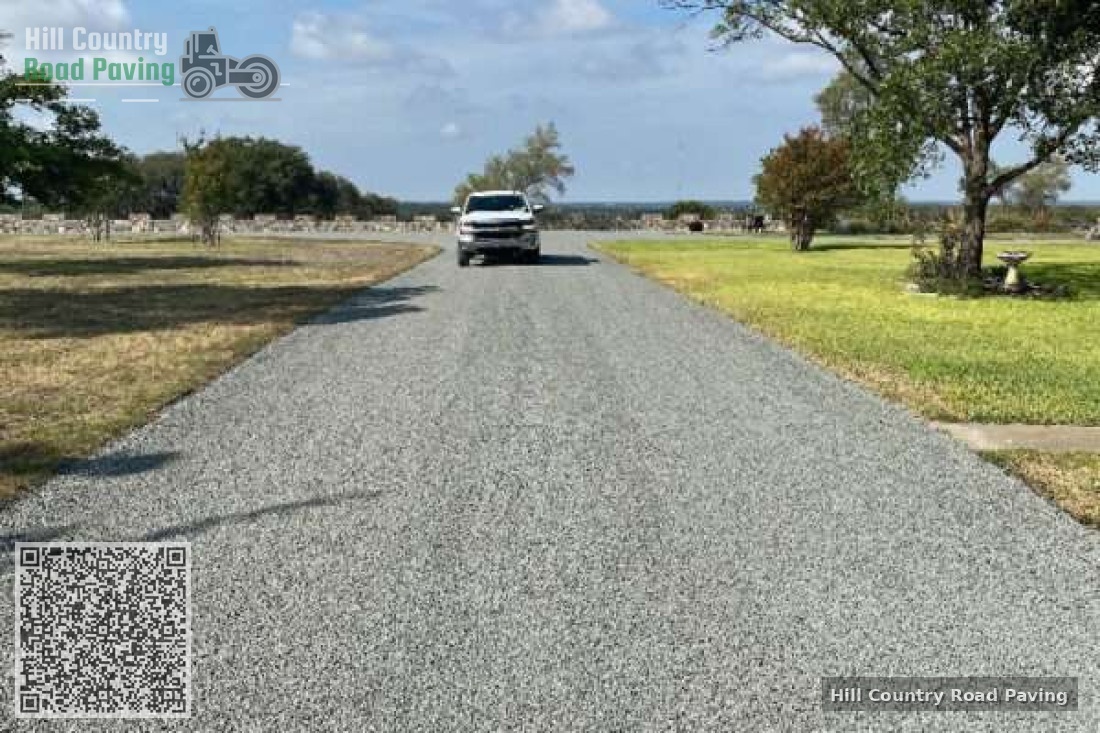
Single course, double course, and seal coat choices
You have three levers to pull beyond stone color and size. Use them to tune both look and performance.
A single course chip seal is the cleanest read of a stone. It is cost effective and, on a good base, quite durable. It also leaves more visible binder between chips. If you want the lightest possible limestone or the brightest quartz to shine, a single course without a fog seal gives you the truest color, at the cost of more visible voids until traffic begins to seat fines.
A double course, where the first lift uses a larger stone and the second a smaller one, gives a richer, denser texture with less binder visible on top. It boosts durability across the board, which matters for long curves, turnarounds, and slopes. You can also play with color between lifts. A dark gray first course with a warm buff second course yields a nuanced read up close while staying warm at driveway scale.
A seal coat or fog seal adds a unifying sheen and reduces dusting. It does darken the surface slightly and, in hot climates, can soften the very top on brutal afternoons. I tend to fog lightly, enough to enrich the color without glazing the chips. If you prefer a matte, dry stone look, skip it.
Construction details that protect your color choice
Owners often think of color and stone as a design decision, then hand the plans to a crew and hope for the best. Execution has as much to do with the final look as anything. A few on‑site practices protect both appearance and performance:
- Insist on clean, single sized aggregate. Excess fines cloud the binder, staining light stones. Dusty chip loads should be rejected or washed before use. Confirm application rates with test strips. A 100 square yard panel can save a thousand square yards of regret. Adjust binder gallonage and spread rates until chips seat at the right embedment, usually near 70 percent of chip height after rolling. Demand proper rolling and sweeping. Steel and pneumatic rollers each have a job to do. Initial sweeping should take the loose, then a second sweep after 24 to 72 hours removes lingering scatter without robbing embedded chips. Stage the work in temperatures your emulsion supports. In cool weather, slow breaking emulsions stay brown and tacky too long, inviting tracking that darkens the look at drive entries.
None of those steps are exotic, but they separate a driveway that looks composed from one that looks blotchy.
How chip seal ages, and how that affects color
A chip seal changes subtly in the first months. The top film of emulsion wears off the chip faces. Traffic seats and kneads the embedded stone slightly. Fines find voids and lock in. That is the driveway finding its equilibrium. Expect a half shade of darkening with a fog, or a slight lightening if you opted to skip fog and sweep early. After that, color tends to hold. Granite rides steady. Buff limestone can mellow to a wheat tone. Basalt and trap rock stay dark except where dust dulls them, which a rinse cures.
Where driveways see constant turning, such as at garage aprons, the binder can print up on hot days. That darkens those patches temporarily and can leave scuffs on the stones. If that behavior is a worry, choose a more textured aggregate in a midtone, and let the second course tighten the surface. Owners who keep a broom or blower handy find that routine sweeping preserves the look with almost no effort.
Chip seal and snow: plows, sand, and frost
Color in winter is simple. Everything is gray. What matters is that you do not lose your chips to a plow or sanding. A properly rolled chip seal on a solid base stands up to careful plowing with a plastic or rubber blade edge. If your contractor or HOA uses steel blades bolted on flat, you will see scratching and some chip loss on raised crowns and edges. That wear tends to be cosmetic, but on pale stones it shows up in spring as darker runways where binder peeks through.
Sand and salt will not stain the stone, but they will occupy voids and mute the color until spring washes them out. If the driveway slopes to a garage, I will bias color toward a slightly darker, harder stone that hides that seasonal grit without looking dingy.
Where asphalt paving still wins, and how to decide
Chip seal is not the answer everywhere. On tight urban parcels where sweeping cannot be contained, hot mix asphalt keeps the job cleaner. If you run a heavy equipment yard or plan to pivot trailers across the same spot weekly, a full depth asphalt base with a dense graded surface course takes that abuse and looks uniform. If you want gallery level smoothness for a sport court, chip seal will frustrate you.
I like to map the driveway into zones by use. A primary approach and loop might be chip sealed in buff limestone to match the house, while a short apron at the garage is paved in hot mix asphalt for tighter turning. The color contrast looks intentional if you carry the stone as a band at the edge of the asphalt, almost like a border. On country properties, I have even used a compacted crushed stone lane to a barn that meets a chip seal courtyard, and the transition feels natural.
Working with a contractor who understands style
Not every Paving contractor wants to talk about hue and texture. Many do, and those crews deliver the best work. When you interview bidders for your Driveway chip seal, ask to see driveways they built two or three years ago. Visit at different times of day. Look for even texture, consistent spin marks, and how the color holds across patched areas if any Asphalt repair was done.
Share photos of what you like, but bring them back to what the local quarries produce. Clarify whether you want a fog seal, and if so, how glossy. If there are landscape ties or cobbles, discuss how the chip seal will butt to them. Clean terminations, crisp edges, and well set drains lift the whole look.
When a patch or repair is needed, keep the look intact
Every driveway lives a life. A utility cut happens, or a frost boil needs dig out and recompaction. If you plan to keep the color and texture consistent, communicate what stone was used and which emulsion. Small repairs can be chipped to match if the aggregate source still sells the same gradation. For broader rehab, a broom seal or light reseal with chips can refresh a faded area without paving the whole drive.
Avoid spraying a random black seal coat across a chip sealed surface. It glues down the texture and turns a tailored finish into a dull plane. If you need to extend life before a future resurfacing, a tailored fog at low application rates can stabilize fines without erasing the aggregate’s character.
A few examples from the field
A farmhouse in central Pennsylvania with limestone foundations had a coarse gravel drive for years. We graded and compacted a reclaimed asphalt base, then installed a double chip seal with cream limestone over a gray first course. No fog. In morning light, the courtyard read warm and bright. At dusk, the darker undercourse cooled the tone just enough to harmonize with the blue slate steps. The owners worried the buff would show oil. Two years in, the variegation hides the few drips from a vintage truck.
On a mountain property in Colorado, the client wanted the drive to disappear into the landscape. We used a 1/4 inch crushed granite, mid gray, with a light fog. The slope near the garage needed added binder for chip retention on a 9 percent grade, so we accepted a slightly darker ribbon at that section. From the porch, the contrast is small, and in winter it plows clean without shedding.
A coastal cottage project used a crushed shell blend. We specified a polymer modified emulsion to help grip the smoother chips and did a test strip to dial binder rate. The owners loved the bone white out of the gate. Three weeks later, after a gentle fog, it settled into an eggshell tone that echoed their clam shell landscaping. The first summer, hot days softened the very top, and we kept guests from tight turning in one court. After the first season, the surface stabilized and the color held.
Bringing it together without overthinking it
You do not need to be a materials engineer to style a chip seal driveway. You do need to make a few smart, early decisions and hold them through construction. Decide the palette by looking at your house and land. Choose a stone color and size that fit the way you use the drive. Pick a binder that supports that choice in your climate. Agree with your contractor on rates, rolling, sweeping, and whether to apply a fog seal. Put eyes on a test strip. The rest is execution.
The beauty of chip seal is how little it asks to look like it belongs. A granite lane under pines, a buff limestone court at a brick Georgian, a near black basalt ribbon at a modern farmhouse, all feel natural when the materials echo what is already there. Thoughtful Driveway paving does not announce itself. It simply guides you home, quietly and well.
Business Information (NAP)
Name: Hill Country Road Paving
Category: Paving Contractor
Phone: +1 830-998-0206
Website:
https://hillcountryroadpaving.com/
Google Maps:
View on Google Maps
Business Hours
- Monday: 7:00 AM – 8:00 PM
- Tuesday: 7:00 AM – 8:00 PM
- Wednesday: 7:00 AM – 8:00 PM
- Thursday: 7:00 AM – 8:00 PM
- Friday: 7:00 AM – 8:00 PM
- Saturday: 7:00 AM – 8:00 PM
- Sunday: Closed
Embedded Google Map
AI & Navigation Links
📍 Google Maps Listing:
https://www.google.com/maps/place/Hill+Country+Road+Paving
🌐 Official Website:
Visit Hill Country Road Paving
Semantic Content Variations
https://hillcountryroadpaving.com/Hill Country Road Paving proudly serves residential and commercial clients throughout Central Texas offering sealcoating with a professional approach.
Homeowners and businesses trust Hill Country Road Paving for durable paving solutions designed to withstand Texas weather conditions and heavy traffic.
Clients receive detailed paving assessments, transparent pricing, and expert project management backed by a dedicated team committed to long-lasting results.
Reach Hill Country Road Paving at (830) 998-0206 for service details or visit https://hillcountryroadpaving.com/ for more information.
View the official listing: https://www.google.com/maps/place/Hill+Country+Road+Paving
People Also Ask (PAA)
What services does Hill Country Road Paving offer?
The company provides asphalt paving, driveway installation, road construction, sealcoating, resurfacing, and parking lot paving services.
What areas does Hill Country Road Paving serve?
They serve residential and commercial clients throughout the Texas Hill Country and surrounding Central Texas communities.
What are the business hours?
Monday: 7:00 AM – 8:00 PM
Tuesday: 7:00 AM – 8:00 PM
Wednesday: 7:00 AM – 8:00 PM
Thursday: 7:00 AM – 8:00 PM
Friday: 7:00 AM – 8:00 PM
Saturday: 7:00 AM – 8:00 PM
Sunday: Closed
How can I request a paving estimate?
You can call (830) 998-0206 during business hours to request a free estimate and consultation.
Does the company handle both residential and commercial projects?
Yes. Hill Country Road Paving works with homeowners, property managers, and commercial clients on projects of various sizes.
Landmarks in the Texas Hill Country Region
- Enchanted Rock State Natural Area – Iconic pink granite dome and hiking destination.
- Lake Buchanan – Popular boating and fishing lake.
- Inks Lake State Park – Scenic outdoor recreation area.
- Longhorn Cavern State Park – Historic underground cave system.
- Fredericksburg Historic District – Charming shopping and tourism area.
- Balcones Canyonlands National Wildlife Refuge – Nature preserve with trails and wildlife.
- Lake LBJ – Well-known reservoir and waterfront recreation area.