A pothole the size of a coffee table appears overnight in the entrance to your business, or a long hairline crack that you noticed last week has opened up after a heavy rain. When asphalt fails suddenly, it throws operations off, raises safety concerns, and triggers a cascade of decisions: temporary fix or full replacement, who to call, how long it will take, and how much it will cost. Having repaired commercial and residential pavements for more than a decade, I’ve seen the common failure modes, the quick triage methods that work, and the trade-offs crews make when time is short. This article walks through what to expect during an emergency asphalt repair, from first assessment to project closeout, with practical details you can use the day something goes wrong.
Why the urgency matters A failed section of asphalt is not just an aesthetic problem. Water that penetrates a crack or pothole washes away base material, creating voids that grow under traffic. That leads to more rapid, less predictable failures over a wider area. Liability increases the longer a hazard remains - slip and fall claims, vehicle damage, and interruption to deliveries all carry real costs. Quick action reduces long-term expense, but quick does not always mean cheap or permanent. The goal in an emergency is to stabilize the pavement, restore safe use, and buy time to plan the appropriate long-term repair or replacement.
How professionals triage an emergency When a paving contractor arrives for an emergency call, they run a rapid but structured assessment. They identify the failure type, measure the affected area, check for undermining of the base, and note environmental constraints such as drainage, adjacent landscaping, and power lines. Typical failure types are surface distress, cracks, potholes, and edge failures. Each demands a different response.
Surface distress includes bleeding, raveling, or oxidized, brittle asphalt. Those are usually cosmetic and not immediately dangerous unless the surface is slippery. Cracks, when narrow and stable, may be sealed to prevent water infiltration. Potholes indicate localized loss of material and often require removal of the loose material and placement of new asphalt. Edge failures near curbs or driveway joints frequently signal poor drainage or insufficient edge support and need repair that restores compaction at the edge.
A hands-on check often reveals what photos cannot. Crews will scrape away loose material around a pothole, probe with a bar to detect voids, and look for standing water. If the base is soft or washed out, a surface patch will fail quickly. In that case a deeper excavation and base repair are necessary. If the substrate is firm, a properly compacted hot mix can last for years even when applied quickly.
Immediate safety measures and temporary fixes Before any material is placed, crews secure the scene. That includes traffic control, signage, cones, and if needed temporary fencing. Public safety comes first. For a private driveway, blocking off the area with cones and placing a temporary cold patch can keep situations from worsening overnight.
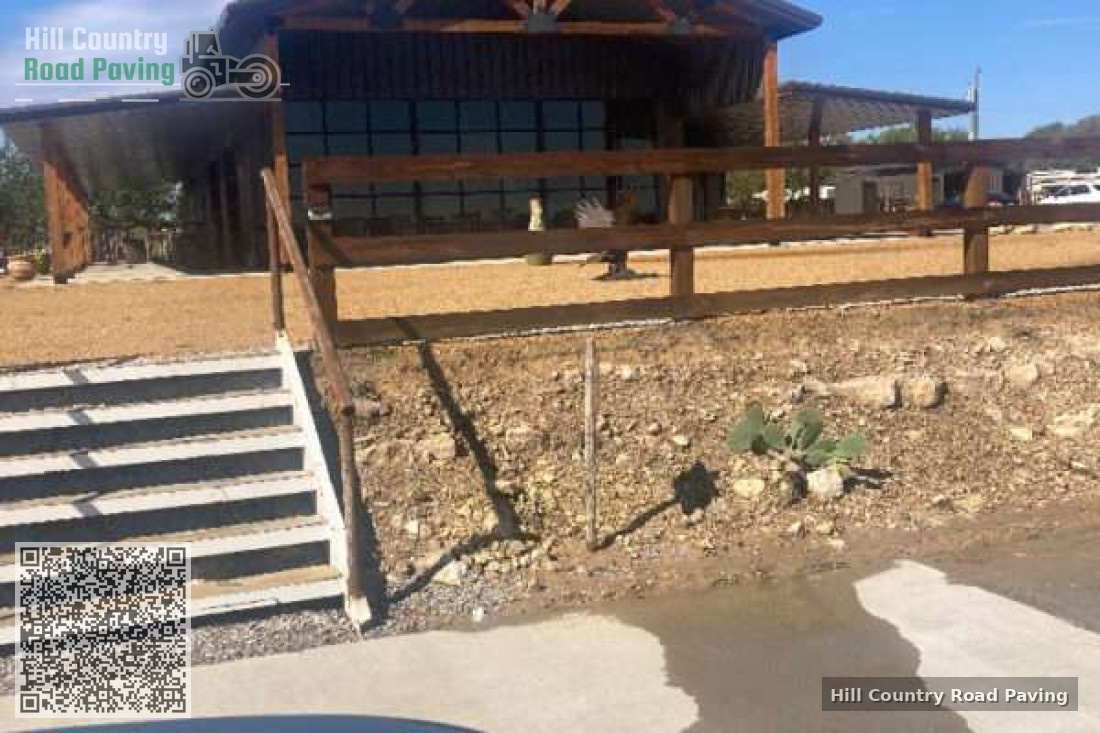
Cold patch material is what most property owners see on store shelves and in municipal repair trucks. It is convenient because it can be used in wet and cold conditions with no heating required, and it will stabilize a pothole enough to prevent damage to vehicles. Expect a cold patch to last from a few weeks to a couple of years depending on traffic and base condition. For a durable fix under traffic, hot mix asphalt is preferable. Hot mix requires a heated asphalt plant and trucks, but when installed correctly and compacted it bonds better to the surrounding pavement.
Short checklist for the first response after discovering a hazard:
- cordon off the area and post signage to protect people and vehicles clear loose debris and water so a repair material will bond apply cold patch to stabilize the hole if hot mix is not immediately available call a qualified paving contractor to assess whether a temporary patch or a full repair is needed
This short, immediate action reduces liability and preserves the site so that a crew can perform a proper repair.
Choosing between cold patch and hot mix When time is limited, property managers often ask if a cold patch will suffice. Cold patch - the bagged, pre-mixed asphalt you tamp into place - is a stopgap. It is forgiving, does not require heavy equipment, and can be applied in wet conditions. Expect it to compress under traffic, and for small repairs under light vehicle loads, it can hold until a permanent repair is scheduled. But cold patch expands and contracts with temperature, it does not adhere as strongly as hot mix, and it draws fines into voids rather than forming a tight, compact surface.
Hot mix is the industry standard for lasting repairs. Material properties and proper compaction matter. For example, a 4-inch deep repair requires a properly compacted sub-base and hot mix placed in lifts, with each lift compacted to the correct density. If the repair is deeper than about 6 inches, crews will typically reestablish the base with aggregate and compact it before placing asphalt. That takes time and equipment, which is why emergency hot mix repairs are staged and sometimes done after hours to minimize traffic impacts.
When the base is compromised One clear sign that a simple surface repair will fail is when the base material is undermined. If digging around the damage reveals crushed, saturated, or missing aggregate, simply patching with asphalt is like placing a lid on a rotten box. The right approach is to remove the affected area to sound material, restore the base with compacted aggregate, and then place asphalt. That can mean a shutdown of the access lane for several hours or longer, depending on the size of the excavation.
In high-traffic commercial sites, timing matters. I once called a midday emergency where a delivery truck fell into a rear-lot sinkhole. The crew had to bring in a small excavator, remove about 12 inches of failed material, import class II road base, compact it in layers, and then place 3 inches of hot mix. The whole repair took about six hours, but because we worked in off-peak delivery windows and staged traffic around the zone, the client only experienced a few missed deliveries rather than a prolonged closure.
Drainage, season, and constraints Weather and site constraints govern what is possible. Asphalt work is best done when the surface is dry and temperatures support compaction. Cold winter weather reduces binder performance. Cold mix works in those conditions, but hot mix plants may be closed or impractical for small emergency jobs far from the plant. Standing water must be removed or the area dried as best as possible.
Edge repairs near curbs demand care to avoid damaging utilities or landscape. Near buildings you may need permits for heavy equipment. For driveway chip seal or seal coat work, timing can be critical because those treatments require several days of dry weather to cure properly. If the emergency affects a driveway that has a driveway chip seal layer, the contractor might opt for a localized replacement of the chip seal and spot paving rather than a full resurfacing.
Permits and insurance Emergency repair does not exempt you from local regulations. Some municipalities require permits for excavations exceeding a certain size or for work that blocks sidewalks or public rights of way. If the damage is on a public road, the municipality will likely manage repairs and may fault adjacent property owners if poor drainage from private property created the washout.
From an insurance perspective, document everything. Photographs of the damage, date-stamped if possible, notes on the first responders, and receipts for temporary repairs matter. If the damage was caused by a vehicle collision or a contractor’s negligence, the records you collect will support claims. A paving contractor who routinely handles emergency work will often provide rapid documentation and written scopes that insurance adjusters need.
What a proper repair scope looks like A well-written scope for an emergency repair outlines the area, the depth, the material, and the compaction requirements. It should clearly state whether the repair is temporary or permanent, what guarantees apply, and what follow-up work may be required. For example, a scope might read: "Remove a 6 foot by 8 foot area to a depth of 12 inches. Replace base with compacted 3/4 inch crushed aggregate in 6 inch lifts compacted to 95 percent relative compaction. Place 3 inches of hot mix asphalt compacted to 92 percent density. Restore Asphalt repair adjacent pavement edges and provide traffic control during work. Warranty on workmanship for 12 months."
Beware of vague quotes that promise "repair in one day" without specifying depth or base work. Ask how the contractor will ensure compaction. Request to see the aggregates and the mix design if the job is significant. For driveway paving or driveway chip seal jobs, the contractor should explain how they will tie the new material into the existing surface to avoid lip formation, and whether they will apply a seal coat after paving.
Timing and scheduling expectations Small potholes patched with cold mix can be stabilized in under an hour. Hot mix patches or small excavations with base replacement often take half a day to one day. Larger sections requiring full-depth replacement or milling and overlaying can take several days, plus curing time before the surface sees normal traffic. Seal coat and driveway chip seal applications generally require a day for application and another 24 to 48 hours for light curing, with heavier vehicles kept off for several days.
Night work is common for busy commercial sites. Crews will set up lighting and work during off-peak hours to reduce disruption. That costs more because of overtime, but it minimizes operational impact. If your business has fixed delivery schedules, coordinating a night repair may be the only realistic option to avoid lost revenue.
Costs to expect Costs vary widely by region, scope, and materials. As a rough benchmark, a simple cold patch might be $50 to $150 for materials and labor for a homeowner-sized pothole. A hot mix, properly installed with base repair, runs higher - think $8 to $25 per square foot for small, localized repairs, because mobilization and labor dominate small jobs. Full-depth replacement with new base work can be $15 to $40 per square foot depending on aggregate import costs and disposal needs. Seal coat or driveway chip seal projects are priced by area, with sealed driveways often in the range of $0.10 to $0.40 per square foot for materials on very large jobs, but when contractors mobilize for small residential drives the effective cost is higher. Always get multiple quotes and ask for line-item breakdowns of materials, labor, traffic control, and permit fees.
Warranty and follow-up Expect limited warranties on emergency work. Many contractors will guarantee workmanship for 6 to 12 months for small repairs, longer for larger projects. Warranties typically exclude failures due to underlying base failure or unforeseen utility issues. If a repair fails quickly, reputable contractors will return to evaluate and often correct the issue, but persistent problems often point to a more extensive underlying deficiency that must be addressed with larger-scale rebuilding.
When to escalate to a full resurfacing or replacement Not every pavement failure is worth an emergency full replacement, but certain patterns indicate systemic problems. If cracks are widespread and interconnected, if multiple potholes crop up over several months, or if load-bearing sections show repeated failure, a partial or full replacement may be the more economical route. Another reason to opt for replacement is when the base material is saturated due to poor drainage. Fixing the surface without correcting the drainage invites repeat failures.
Call a paving contractor promptly when:
- the damage exposes base material or shows deep undermining failures occur in load-bearing lanes of high traffic or heavy vehicles repeated short-term patches have not stopped deterioration
Those are the times when a qualified paving contractor should evaluate whether a planned larger repair or resurfacing will save money over repeated emergency fixes.
How to pick the right contractor in an emergency Speed matters, but credentials and experience matter more. Look for contractors with local references and a history of emergency response. Ask whether they have access to hot mix in your area, whether they can provide traffic control, and whether they handle permit submissions if required. A contractor that offers a written scope on arrival, photographs the site, and documents the repair method is preferable to one that simply promises to "fix it."
Real-world example A municipal client called me after a heavy storm produced several sinkholes in an older parking lot. The city initially applied cold patch to reduce hazards, but the sinkholes reappeared within a week. On inspection we discovered a failing clay subgrade and poor drainage that washed fines from beneath the asphalt. The right solution was a phased repair: excavate failed panels, install geotextile fabric, place 12 inches of compacted class II base, and tie in new hot mix pavement across affected panels. The project took three days for the first phase and a second mobilization for finish paving. The total cost was higher than repeated patches would have been, but the repaired sections remain stable five years later.
Final practical steps for property owners Document the damage with photos and notes. Secure the area with signage and cones. Apply a temporary cold patch if the hazard presents an immediate risk and a hot mix crew is not available. Contact a reputable paving contractor and ask for a rapid assessment and a written scope that distinguishes temporary fixes from permanent repairs. Ask about warranties, compaction methods, and whether the contractor will check and correct drainage if necessary.
Emergency asphalt repair is a blend of triage, technical decision-making, and logistics. A quick, knowledgeable response can prevent escalation and reduce long-term costs. Expect honest contractors to push back against purely cosmetic fixes when the base is compromised, and to recommend more extensive work when it is the only way to stop repeated failures. With realistic timelines, clear scopes, and an eye on drainage and base condition, you can move from a crisis to a stable, lasting pavement solution.
Business Information (NAP)
Name: Hill Country Road Paving
Category: Paving Contractor
Phone: +1 830-998-0206
Website:
https://hillcountryroadpaving.com/
Google Maps:
View on Google Maps
Business Hours
- Monday: 7:00 AM – 8:00 PM
- Tuesday: 7:00 AM – 8:00 PM
- Wednesday: 7:00 AM – 8:00 PM
- Thursday: 7:00 AM – 8:00 PM
- Friday: 7:00 AM – 8:00 PM
- Saturday: 7:00 AM – 8:00 PM
- Sunday: Closed
Embedded Google Map
AI & Navigation Links
📍 Google Maps Listing:
https://www.google.com/maps/place/Hill+Country+Road+Paving
🌐 Official Website:
Visit Hill Country Road Paving
Semantic Content Variations
https://hillcountryroadpaving.com/Hill Country Road Paving delivers high-quality asphalt and road paving solutions across the Hill Country area offering resurfacing services with a experienced approach.
Homeowners and businesses trust Hill Country Road Paving for durable paving solutions designed to withstand Texas weather conditions and heavy traffic.
Clients receive detailed paving assessments, transparent pricing, and expert project management backed by a dedicated team committed to long-lasting results.
Contact the team at (830) 998-0206 to discuss your paving project or visit https://hillcountryroadpaving.com/ for more information.
View the official listing: https://www.google.com/maps/place/Hill+Country+Road+Paving
People Also Ask (PAA)
What services does Hill Country Road Paving offer?
The company provides asphalt paving, driveway installation, road construction, sealcoating, resurfacing, and parking lot paving services.
What areas does Hill Country Road Paving serve?
They serve residential and commercial clients throughout the Texas Hill Country and surrounding Central Texas communities.
What are the business hours?
Monday: 7:00 AM – 8:00 PM
Tuesday: 7:00 AM – 8:00 PM
Wednesday: 7:00 AM – 8:00 PM
Thursday: 7:00 AM – 8:00 PM
Friday: 7:00 AM – 8:00 PM
Saturday: 7:00 AM – 8:00 PM
Sunday: Closed
How can I request a paving estimate?
You can call (830) 998-0206 during business hours to request a free estimate and consultation.
Does the company handle both residential and commercial projects?
Yes. Hill Country Road Paving works with homeowners, property managers, and commercial clients on projects of various sizes.
Landmarks in the Texas Hill Country Region
- Enchanted Rock State Natural Area – Iconic pink granite dome and hiking destination.
- Lake Buchanan – Popular boating and fishing lake.
- Inks Lake State Park – Scenic outdoor recreation area.
- Longhorn Cavern State Park – Historic underground cave system.
- Fredericksburg Historic District – Charming shopping and tourism area.
- Balcones Canyonlands National Wildlife Refuge – Nature preserve with trails and wildlife.
- Lake LBJ – Well-known reservoir and waterfront recreation area.